
Everything you need to understand before a hair transplant.
Learn how hair transplants work, compare FUE, FUT, and DHI, estimate graft needs, understand recovery, and know what to ask before choosing a clinic.
Popular Hair Transplant Guides
Quick reads for the questions most patients ask first.
FUE vs DHI: which method actually fits your case
Read guide →Hair Transplant Cost by Country: full breakdown
Read guide →3,000 Grafts Before & After: what to actually expect
Read guide →Turkey vs US Clinics: real trade-offs, not marketing
Read guide →Hair Transplant Timeline: month-by-month healing
Read guide →How Many Grafts Do I Need? Estimate by stage
Read guide →What is a hair transplant?
A hair transplant moves healthy follicles from the donor area, usually the back or sides of the scalp, into thinning or bald areas. The goal is natural placement, long-term donor preservation, and realistic density.
Best candidates
Adults with stable hair loss, healthy donor density, and realistic expectations about coverage and timeline.
Main techniques
FUE removes individual follicles, FUT extracts a strip, DHI uses a Choi pen for precise placement. Surgeon skill matters more than method name.
Timeline
One-day procedure. Healing in 7–14 days, shedding through month 2, early growth at month 3, final result at 12–18 months.
Four methods, very different in detail.
The technique label matters less than how the surgeon executes it. Use these as a starting point, then read the deeper guides.
FUE Hair Transplant
Most common modern method. Individual follicles extracted from the donor. Short hair flexibility, minimal linear scarring.
Read FUE guide →Sapphire FUE
FUE performed with sapphire blades for the recipient incisions. Marketed for finer channels — depends on surgeon skill.
Read Sapphire FUE guide →DHI Hair Transplant
Direct Hair Implantation using a Choi pen. Useful for women, eyebrow work, no-shave, and tight hairline placement.
Read DHI guide →FUT Hair Transplant
Strip method. High graft yield in one session, leaves a linear scar. Useful in specific cases needing volume.
Read FUT guide →Which technique fits which need?
Side-by-side comparison of the trade-offs that actually matter for your case.
| Technique | Best For | Scarring | Recovery | Session Size |
|---|---|---|---|---|
| FUE | Most modern cases · short hair flexibility | Minimal dotted | 7–14 days | 2,000–4,000 grafts |
| DHI | Female cases · eyebrow · no-shave · precision | Minimal dotted | 7–14 days | 1,500–3,500 grafts |
| Sapphire FUE | Tight hairlines · denser packing | Minimal dotted | 7–14 days | 2,000–4,000 grafts |
| FUT | High graft volume in one session | Linear donor scar | 14–21 days | 3,000–5,000 grafts |
| No-Shave FUE | Discreet recovery · women's cases | Minimal dotted | 7–14 days | 1,000–2,500 grafts |
Trade-offs depend on your hair type, donor density, and goals. Surgeon skill is a bigger variable than the method name.
FUE vs DHI deep dive →Choose the guide that matches your situation.
This is the structured navigation hub. Insights covers articles and editorial; this section is the learning gateway.
Receding Hairline
Front and temple recession. How design and density shape natural results.
Read guide →Crown Hair Transplant
Vertex thinning and whorl pattern. A different planning problem from hairline.
Read guide →Female Hair Transplant
Diffuse thinning, widening parts, and how DHI and no-shave techniques apply.
Read guide →Afro Hair Transplant
Curly follicles need experienced surgeons. What to look for in clinics.
Read guide →Beard Transplant
Density, direction, and angle for a natural beard. Donor choices and expectations.
Read guide →Eyebrow Transplant
Single-hair grafts at precise angles. One of the most technique-sensitive procedures.
Read guide →Repair Hair Transplant
Correcting a previous procedure. Donor preservation and what's actually fixable.
Read guide →Hairline Lowering
For high foreheads. Transplanting versus surgical advancement.
Read guide →Your stage changes the plan.
A mild temple recession and a larger front-to-crown pattern are not the same problem. The stage affects graft count, cost, design, and long-term donor preservation.

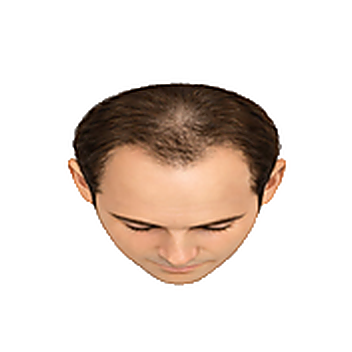
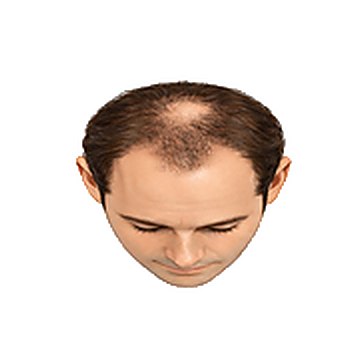
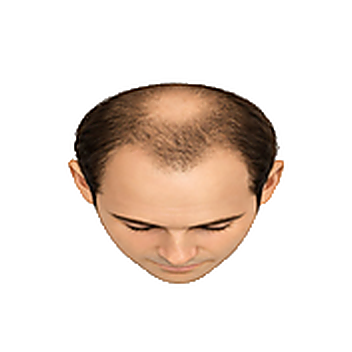
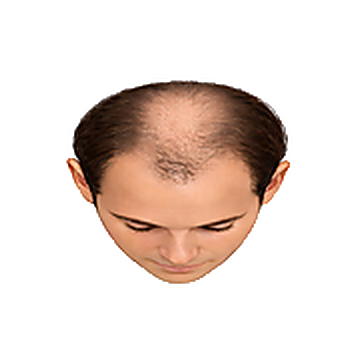
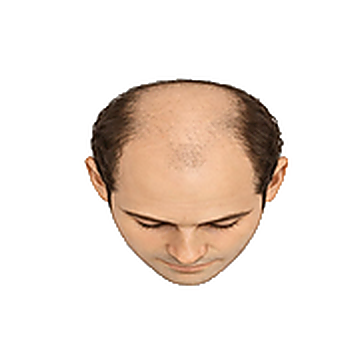
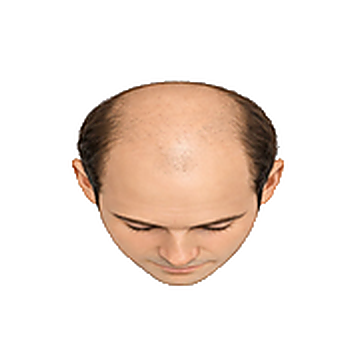
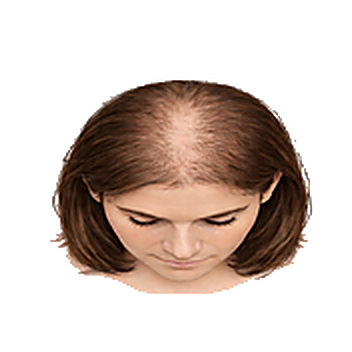
How many grafts, how much money.
Two questions every patient asks first. Both depend on case specifics — these are estimated ranges, not guarantees.
How many grafts do you need?
What affects hair transplant cost?
What happens after the procedure?
Most people worry when shedding starts. The timeline below is normal — knowing it in advance saves a lot of anxiety.
How to read result photos.
Before-and-after photos are useful, but only when lighting, angles, timeline, hair length, and donor-area photos are clear. Use this checklist when comparing clinic galleries.
- Same lighting and angle in both photos
- 12-month or later timeline shown
- Visible donor area after healing
- Hairline close-ups, not just styled final photos
- Similar hair type and Norwood stage to yours
What to avoid before booking.
Most regrets we read about trace back to one of these patterns. Spotting them early protects your donor area and your wallet.
Unrealistic graft promises
"5,000+ grafts guaranteed" without a donor density check usually means overharvesting and permanent damage.
Too-low hairlines
A teenage hairline on a 35-year-old looks unnatural by 50 and wastes irreplaceable donor capacity.
No aftercare plan
Healing is a 12-month process. Clinics that disappear after the airport drop-off are not the ones to choose.
Price without details
Headline prices that change after deposit, or "all-inclusive" packages that exclude key items, are red flags.
Not sure which guide applies to you?
Start with your hair loss stage, coverage goal, and timeline. Then move into graft count, cost, techniques, and clinic comparison with a clearer idea of what you need.
How HairTC evaluates clinics.
HairTC compares clinics based on factors that affect long-term outcomes and patient experience, not just marketing claims.
Surgeon involvement
Whether the named surgeon performs the extraction or only supervises technicians, and how that's documented.
Donor preservation
Donor density assessment, extraction discipline, and a written graft cap. Overharvesting is irreversible.
Before/after consistency
Verified 12-month results across a range of Norwood stages — not curated highlights.
Repair case quality
How a clinic handles correction work shows the depth of their technical and ethical practice.
Aftercare process
Structured 3, 6, and 12-month follow-ups, not just a discharge call.
Transparent pricing
Itemised written quotes that match the final invoice. No surprise add-ons.
Browse clinics by country.
Each country hub covers price range, top destinations, surgeon-led clinics, and what to verify before booking.
Hair transplant questions, answered simply.
The transplanted follicles are taken from the donor area, which is genetically resistant to thinning. Those grafts behave like donor hair for life. However, the surrounding native hair can continue thinning, which is why long-term planning matters.
For most patients, FUE (or Sapphire FUE) is the modern standard. FUT remains useful for high graft volume in specific cases. DHI shines for women, eyebrow work, and no-shave situations. Surgeon skill matters more than the technique label.
Norwood 2 typically needs 1,200–2,000 grafts. Norwood 3: 2,000–3,000. Norwood 4: 3,000–4,000. Advanced cases often staged. Try our Graft Calculator for a personalised estimate.
Transplanted hairs shed by week 3 — this is normal. New growth begins around month 3. Density becomes obvious from month 6. Final result matures at 12 months, with a 14-month touch-up review at any reputable clinic.
Different trade-offs. Turkey offers excellent surgeon-led clinics at 3–4× lower cost than the US, with strong all-inclusive packaging. The US offers domestic aftercare and tighter regulatory oversight. The country matters less than the clinic.
Yes. Women face different patterns — diffuse thinning, widening parts, frontal density loss — that often respond well to DHI or no-shave FUE. Donor stability and underlying causes (hormonal, autoimmune) need to be evaluated first.
The procedure itself is performed under local anaesthetic. Most patients describe the day as long and tiring rather than painful. Expect a few days of mild scalp tenderness, swelling, and tightness afterward.
Overharvesting the donor (irreversible), unnatural hairline design, infection from poor sanitation, and shock loss of native hair near the transplant zone. Most are preventable with the right surgeon and a conservative plan.
The initial shedding at weeks 2–8 is expected and temporary — the follicle stays, the hair shaft falls. After regrowth begins, transplanted hair behaves like donor hair and is generally permanent. Surrounding native hair is what continues thinning.
Verify surgeon involvement (not technicians), check 12-month before/after photos with similar Norwood stages to yours, demand itemised written quotes, and confirm the aftercare protocol at 3, 6, and 12 months. Our Clinic Directory applies these criteria.