
Free · Clinically validated · 60 seconds
Hair Transplant Graft Calculator
How many grafts do you need?
Answer a few quick questions to discover your graft count, expected coverage, and a personalized treatment path tailored to your hair loss stage.
1
Hair Loss Stage
2
Details
3
Goals
4
Your Estimate
Step 1 of 3
Which stage best describes your hair loss?
Select the pattern that most closely matches what you see. Not sure? Use the Norwood Scale visual guide below.
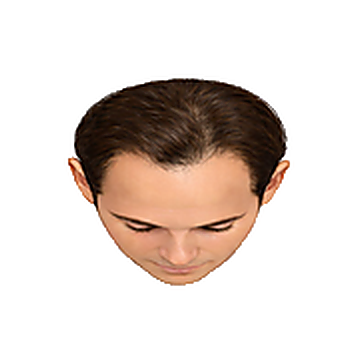
Stage 2
Slight temple recession
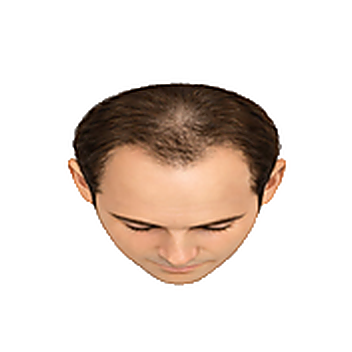
Stage 3
Deeper temple recession
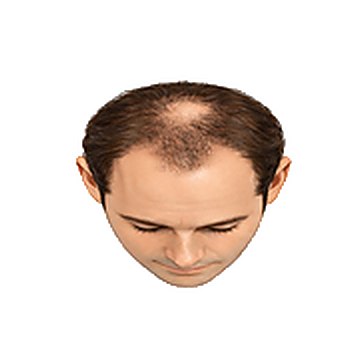
Stage 3 Vertex
Temples + early crown
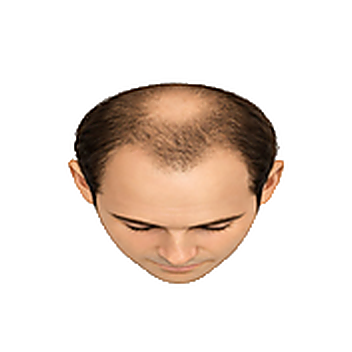
Stage 4
Crown loss, strip present
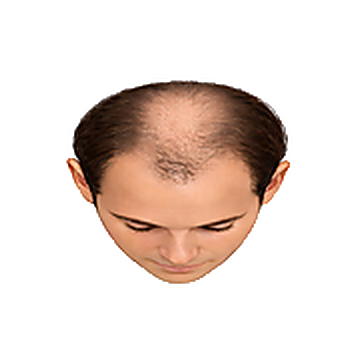
Stage 5
Narrow strip remains
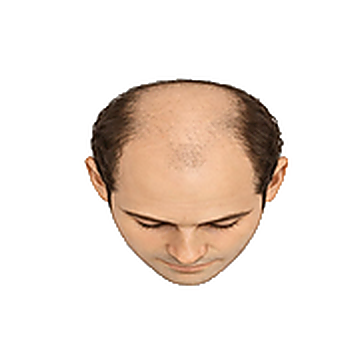
Stage 6
Front and crown merge
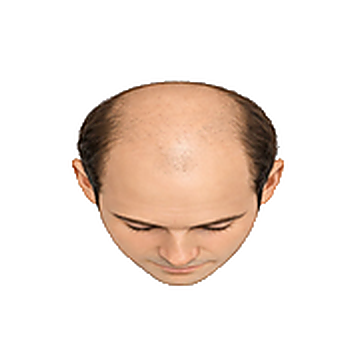
Stage 7
Only side/rear band
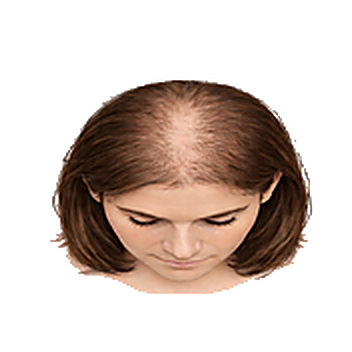
Female / Diffuse
Generalised thinning
Not sure which stage you are? See the full Norwood Scale visual guide below ↓
Select your stage to continue
Step 2 of 3
Tell us about yourself
These details help refine your graft estimate and match you with the right clinics.
Step 3 of 3
What level of coverage are you aiming for?
Higher coverage means more grafts. Most patients choose Good Coverage — a natural result that looks excellent in virtually all situations.
Full density
Natural fullness
Maximum grafts. Achieves natural density in all conditions including wet hair.
Recommended
Good coverage
Best balance of results and cost. Excellent in most situations. Most popular choice.
Conservative
Conservative
Removes the bald appearance. Fewer grafts, easy process and recovery.
Your personalized estimate
Based on your answers. Final graft count is confirmed by a surgeon at consultation — these ranges are clinically validated starting points.
Estimated grafts needed
1,800–2,500
Recommended technique
FUE / Sapphire FUE
Hair loss patternStage 3 Vertex
Sessions needed1 session
Procedure time6–8 hrs
Visible healing7–14 days
Full results visible12–18 months
Next step
Get matched with verified clinics
We’ll send your estimate to pre-vetted clinics with your preferred dates. Receive personalized quotes — no obligation, no spam.
🔓 Unlock your full hair transplant analysis — breakdown by cost, type of approach, and personalized clinic recommendations.
Hair Loss Reference Guide
Norwood Scale — Visual Guide to Hair Loss Stages
The Norwood Scale is the standard framework surgeons use to classify male pattern hair loss. Identifying your stage drives graft count, technique choice, and realistic outcome expectations.
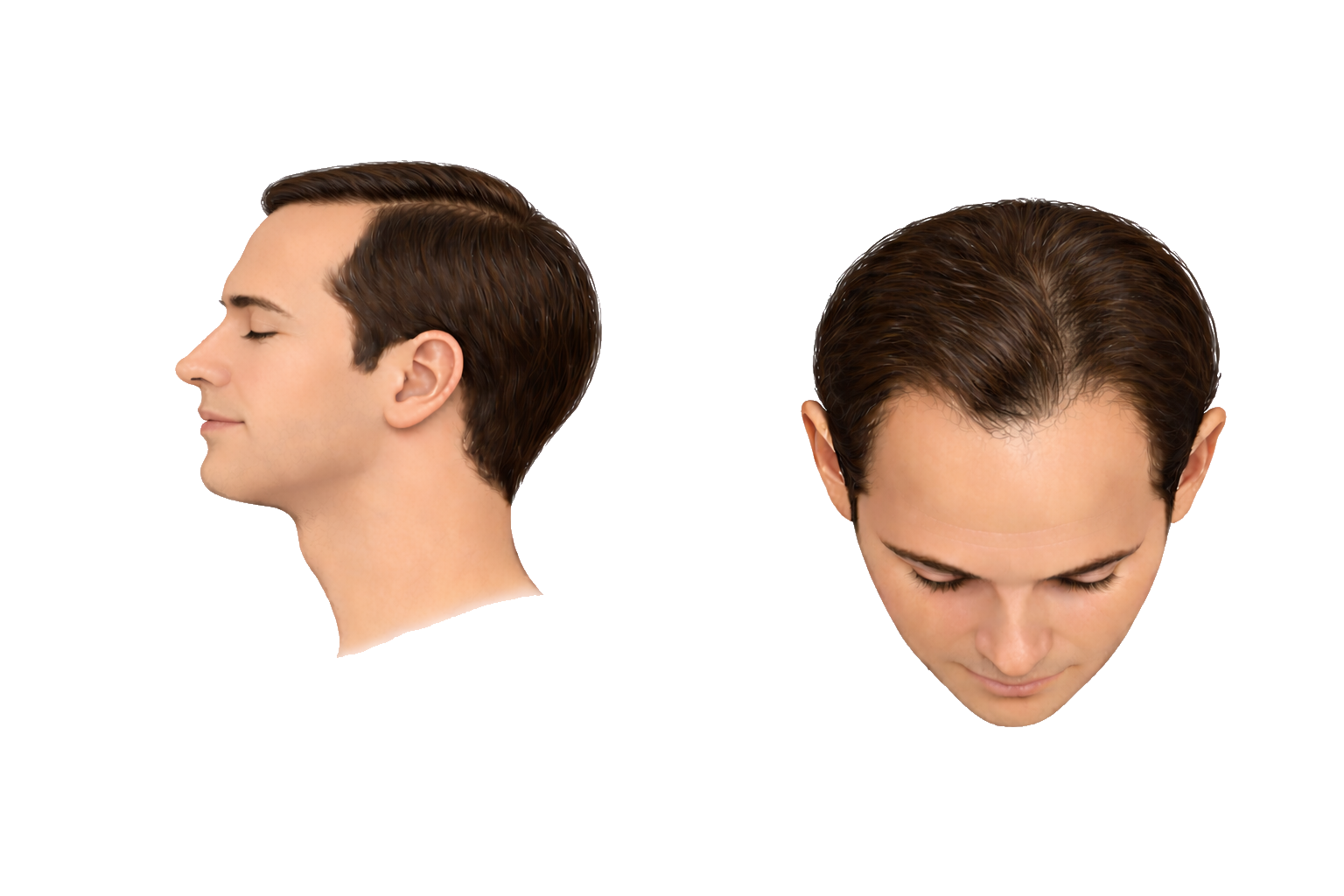
Stage 2 — Mild
Slight Temple Recession
Minor recession at the temples. The hairline has begun to pull back but coverage across the crown is still full. Often the first point where someone notices their hairline has changed from their younger years.
Sessions needed
1 session
Estimated Techniques
FUE / Sapphire FUE
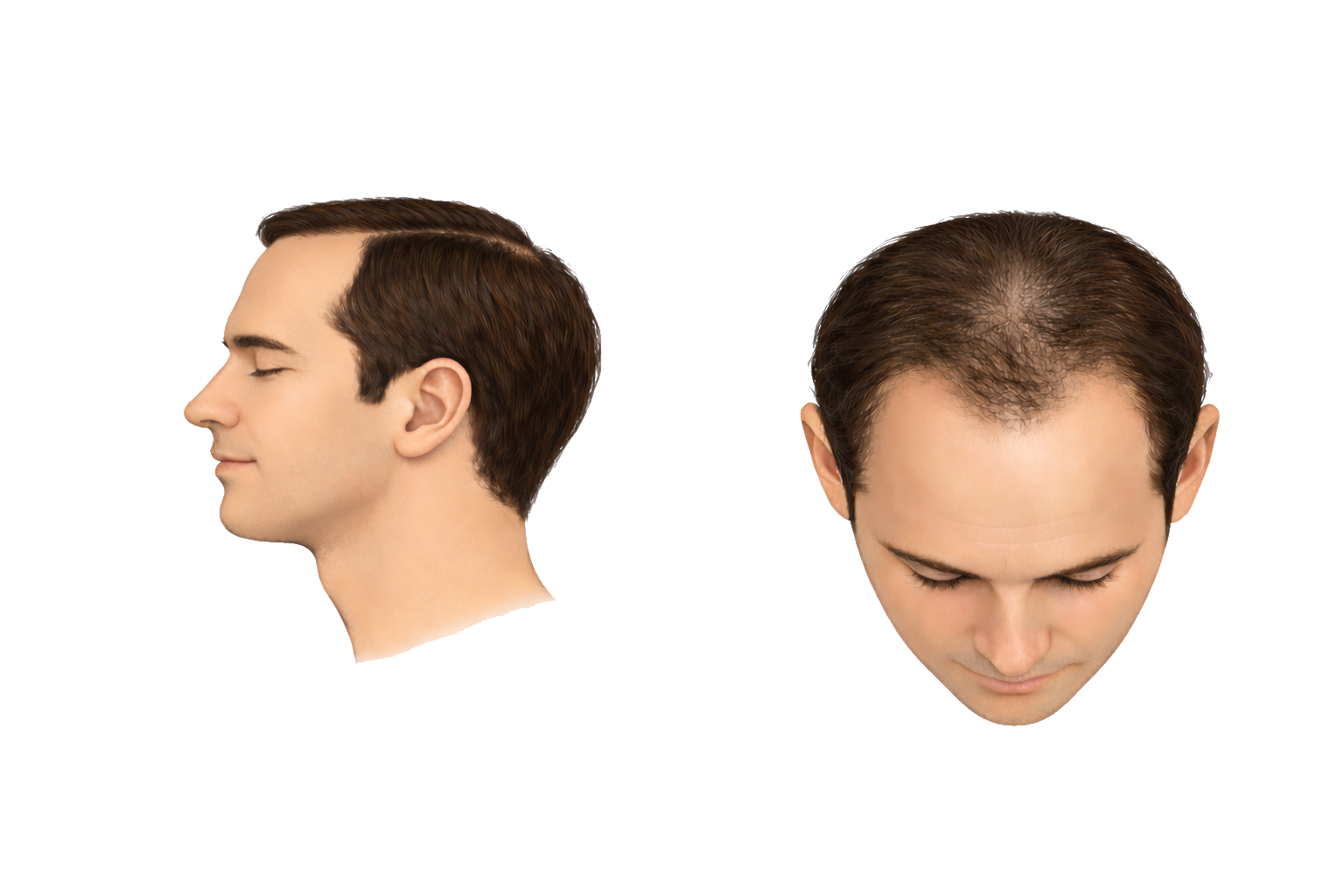
Stage 3 — Mild
Deep Temple Recession
The temples have receded significantly, creating a more pronounced M or V shape at the hairline. The earliest stage where most people begin seriously considering a hair transplant, and where results can be most dramatic with a relatively modest graft count.
Sessions needed
1 session
Estimated Techniques
FUE / Sapphire FUE
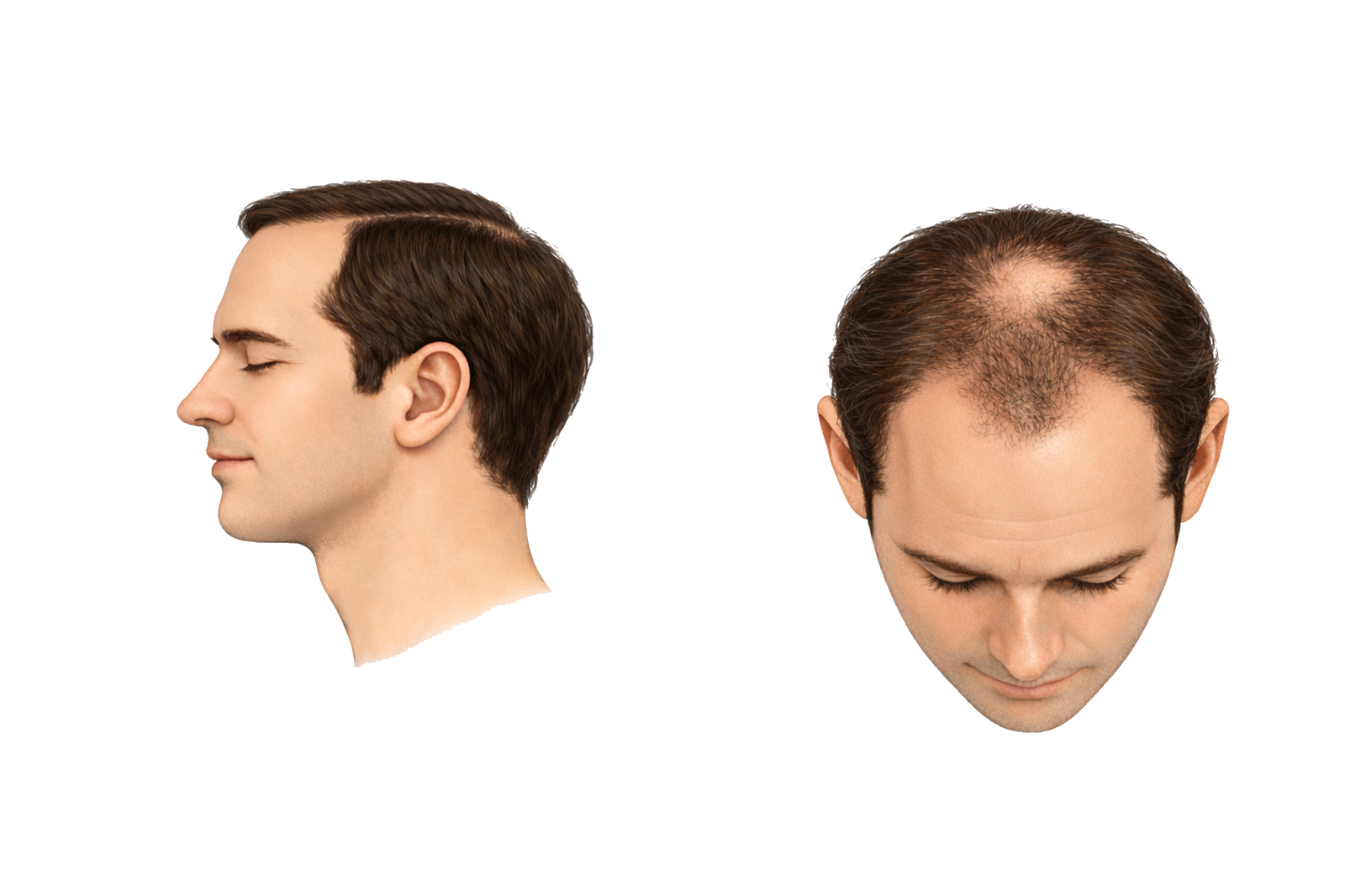
Stage 3 Vertex — Moderate
Temples Plus Crown Involvement
Temple recession plus thinning has begun at the crown. The most common stage presented at consultations. The surgeon must plan for two zones — the hairline and the crown — which increases graft count and surgical planning complexity.
Sessions needed
1 session
Estimated Techniques
FUE / Sapphire FUE
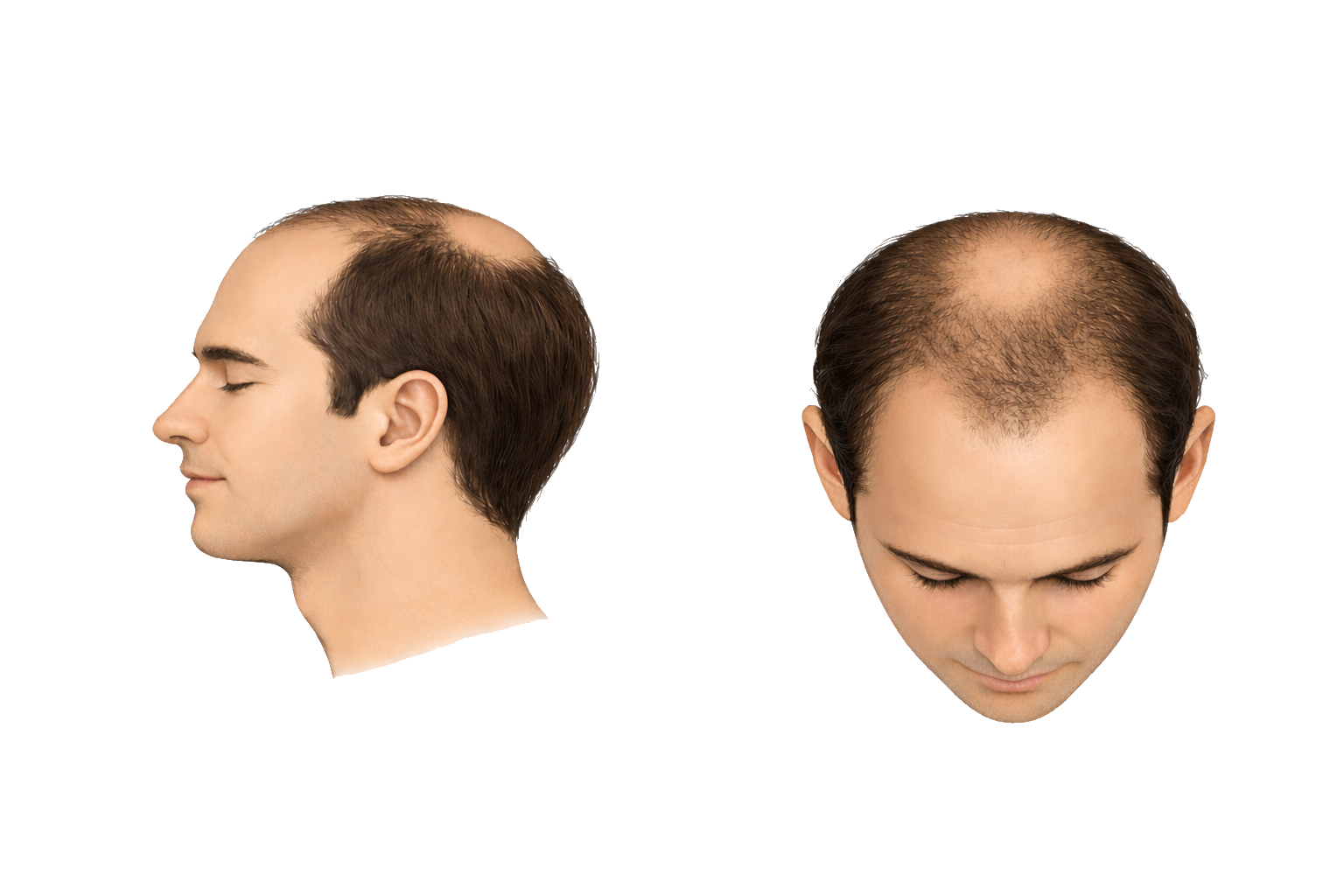
Stage 4 — Moderate
Significant Crown Loss, Strip Still Present
Both temples and crown have receded considerably, but a band of native hair still separates them. A single session can often restore both zones, though donor planning is critical to ensure enough supply is preserved for future needs.
Sessions needed
1 session
Estimated Techniques
FUE / DHI
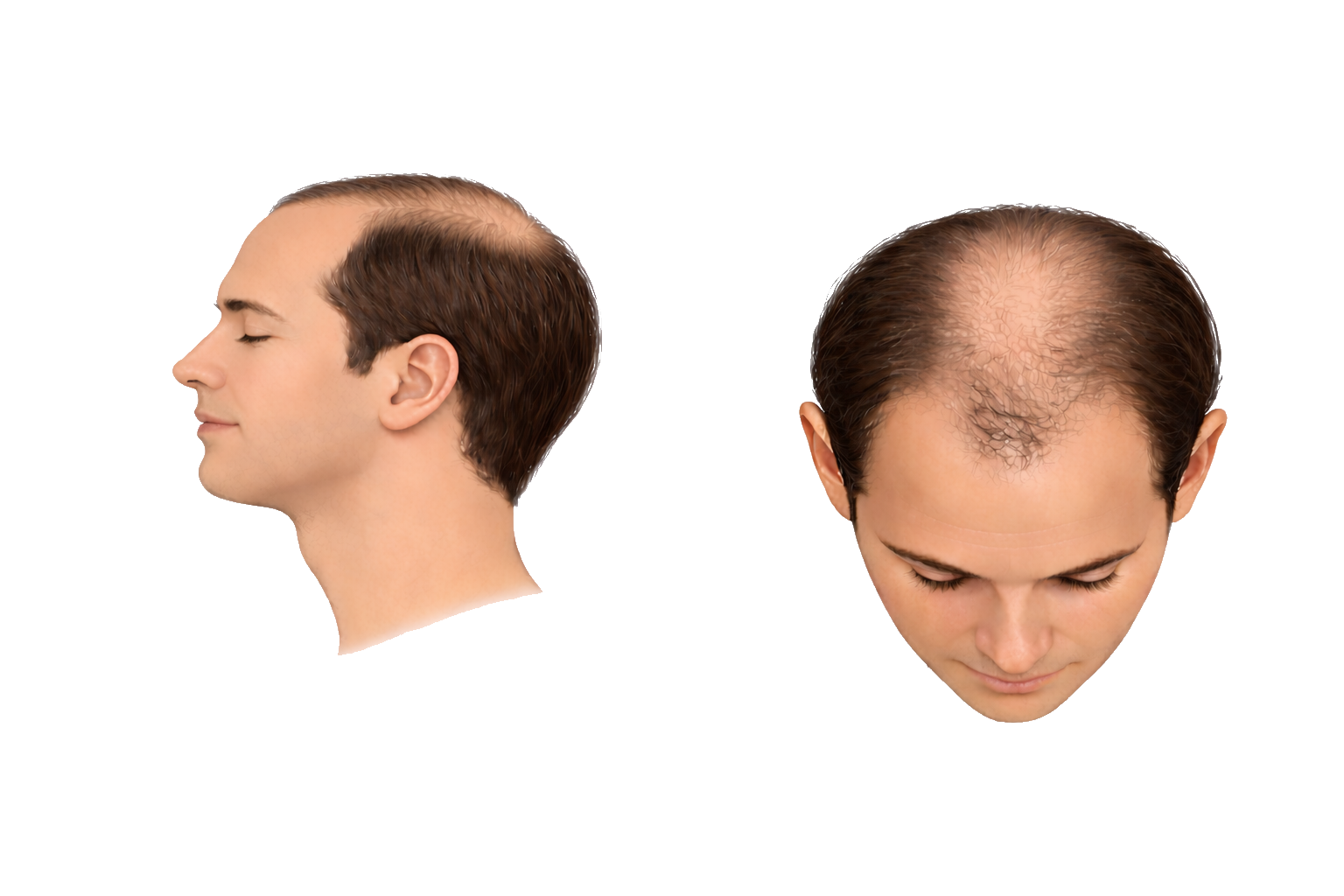
Stage 5 — Advanced
Narrow Strip Connecting Front and Crown
The separation between front and crown is very narrow with significant scalp area exposed. The surgeon will discuss whether full coverage in one session is realistic or whether a staged approach gives better long-term results and donor management.
Sessions needed
1–2 sessions
Estimated Techniques
FUE / DHI
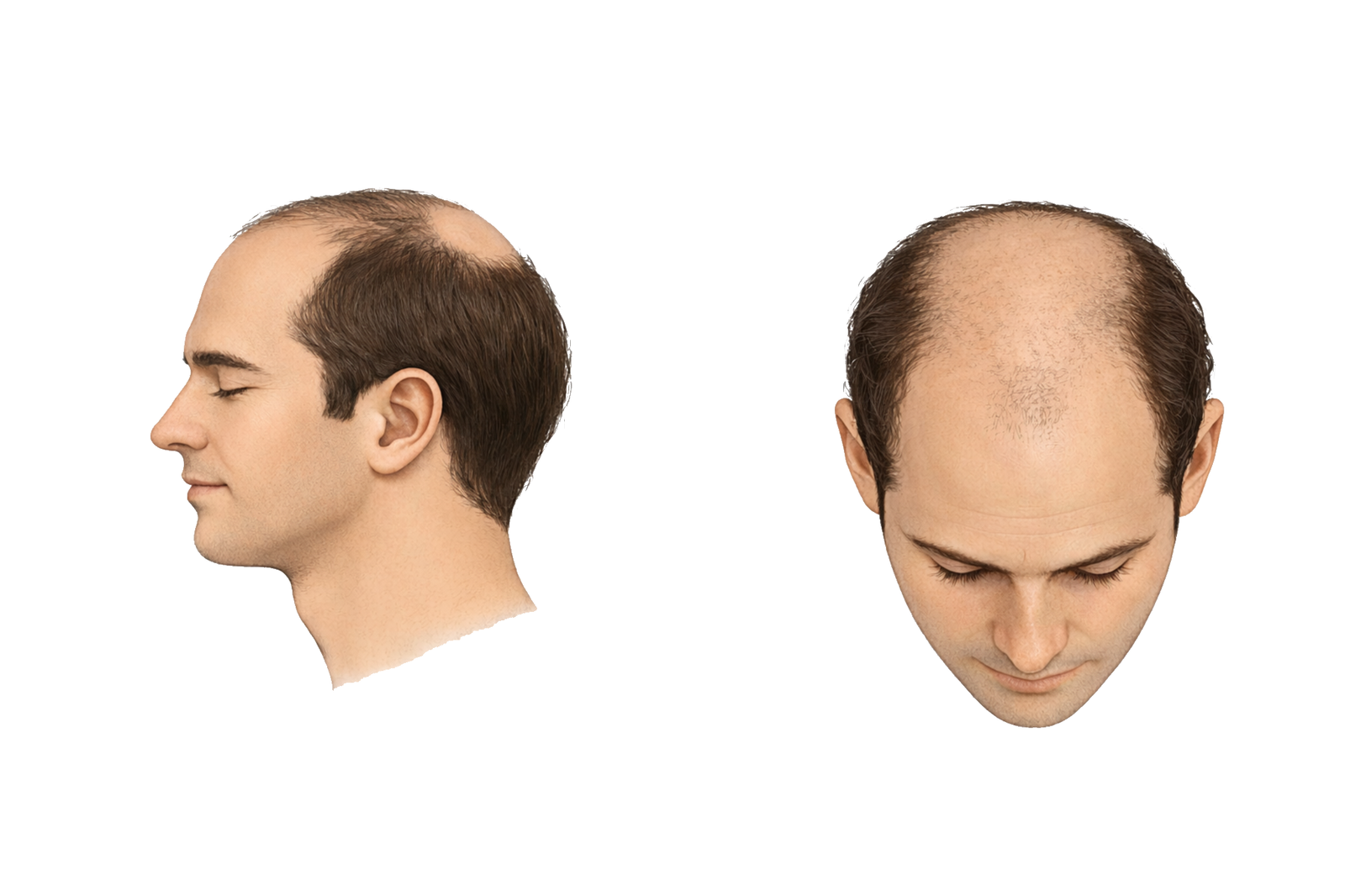
Stage 6 — Advanced
Front and Crown Loss Merge
The narrow strip separating front and crown is gone. Loss spans most of the top scalp. The surgeon must assess donor density thoroughly — large graft counts are needed and not every patient will have sufficient donor supply for full restoration at this stage.
Sessions needed
2 sessions
Estimated Techniques
FUE / DHI
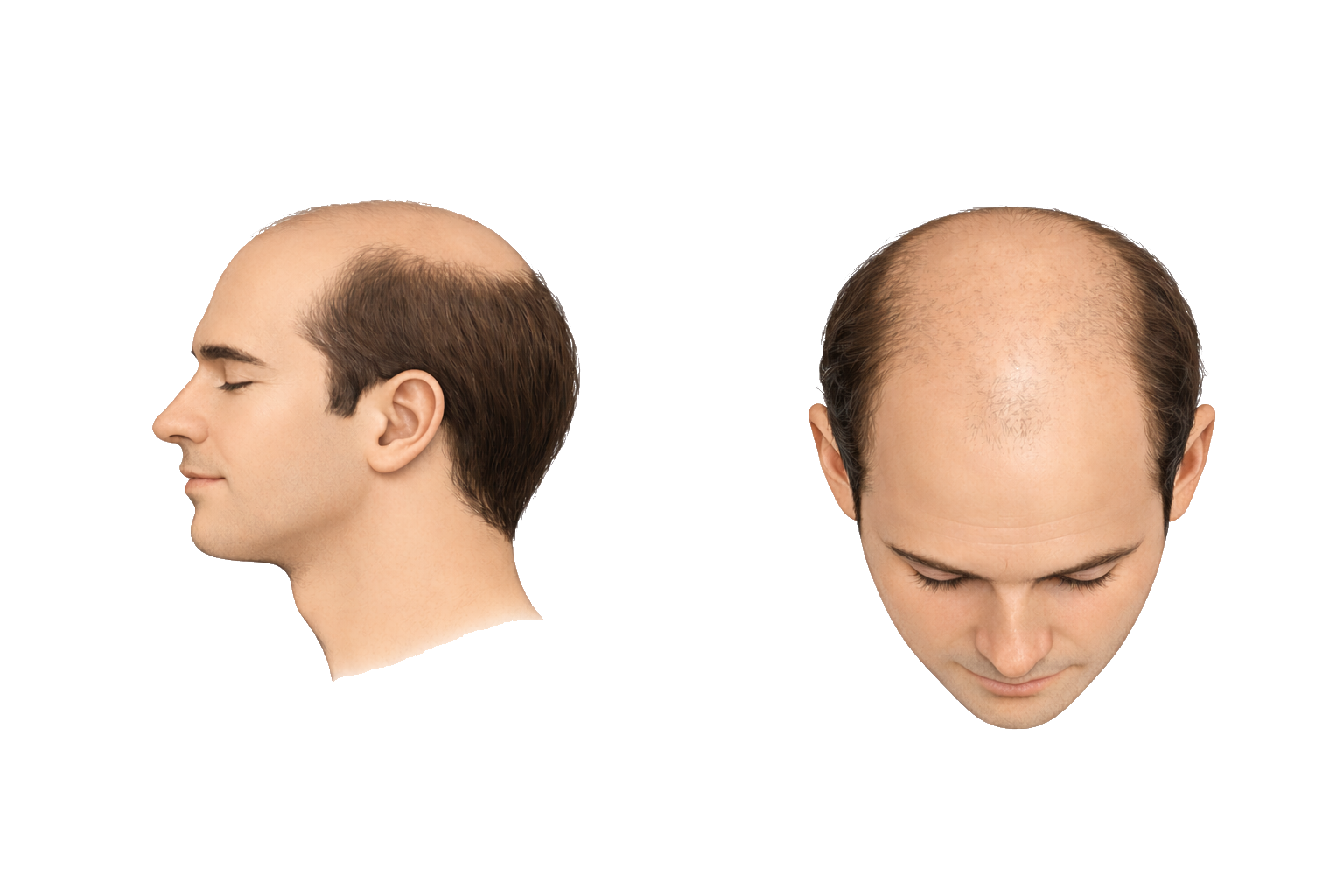
Stage 7 — Severe
Only Side and Rear Band Remains
The most advanced stage. A horseshoe-shaped band around the sides and back is all that remains. Treatment requires a highly experienced surgeon and carefully managed donor strategy. Full density is generally not achievable at Stage 7.
Sessions needed
2 sessions
Estimated Techniques
FUE / DHI
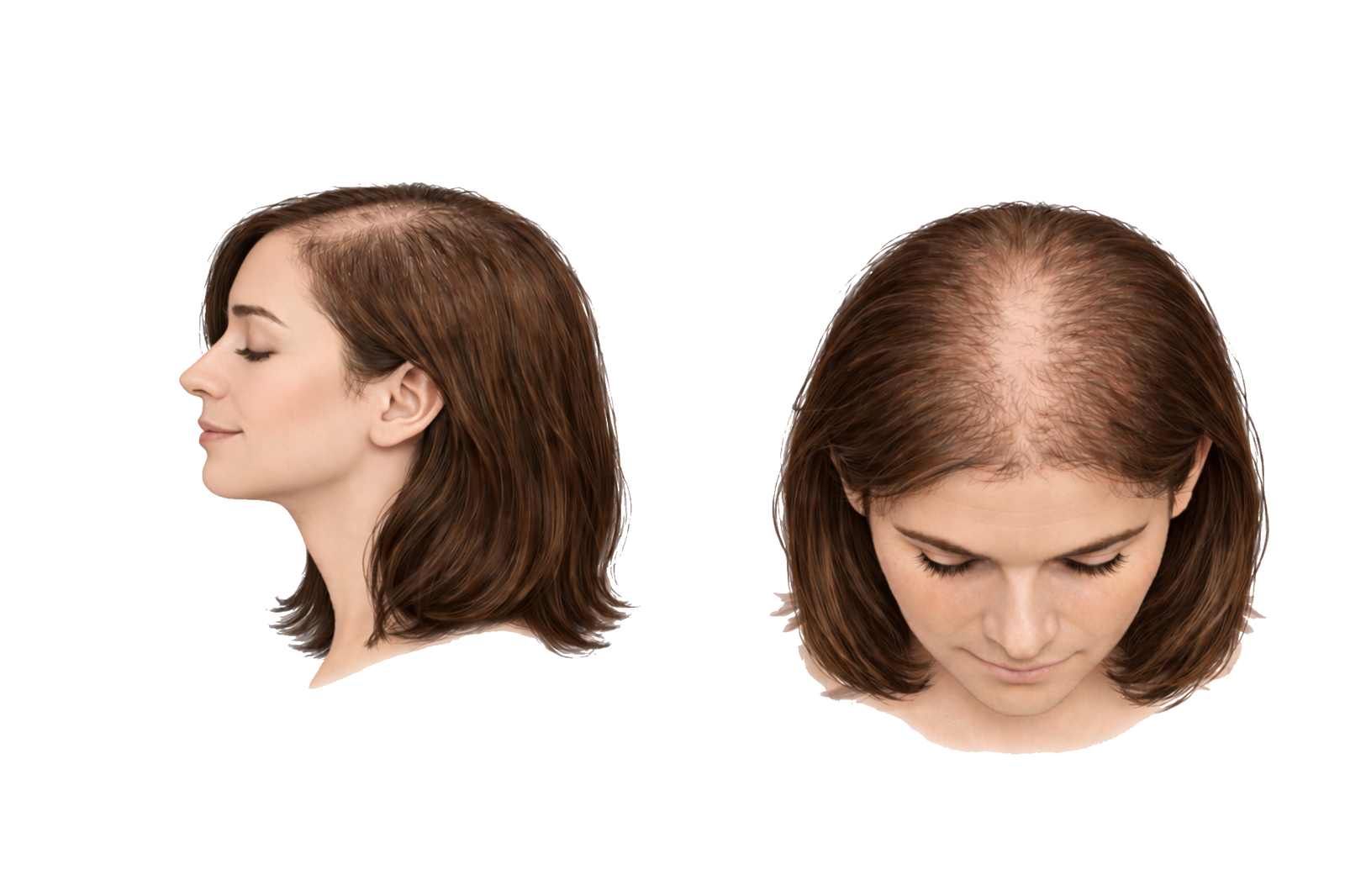
Female / Diffuse Pattern
Generalised Thinning Across the Top
Female pattern hair loss presents as diffuse thinning across the crown and top rather than a receding hairline. DHI (no-shave technique) is most commonly recommended as it causes less disruption to existing hair and avoids shaving the entire scalp.
Sessions needed
1 session
Estimated Techniques
DHI (no-shave)
Frequently Asked Questions
Common questions about graft counts, hair loss stages, and what to expect from a hair transplant procedure.
How many grafts do I actually need for a hair transplant?
The number depends on three things: your Norwood stage, your hair type, and how much coverage you want. Stage 2 typically needs 500–1,200 grafts while Stage 6 or 7 can require 4,500–7,000+. The calculator above uses all three inputs to give you a personalized estimate. The final count is always confirmed at a surgeon consultation after assessing your donor density in person.
What affects the final graft count estimate?
The main factors are: (1) the size of the area to be covered, determined by your Norwood stage; (2) your hair type — coarser and curlier hair covers more surface area per graft than fine or straight hair; (3) desired density — natural fullness requires more grafts than conservative coverage. Age and the progression risk of your hair loss also influence surgical planning.
What is the difference between FUE and DHI?
Both FUE and DHI extract individual follicular units from the donor area — the difference is in how they are implanted. FUE creates small recipient channels first, then grafts are placed. DHI uses a Choi pen to extract and implant in one step, allowing more precise angle and direction control. DHI is generally preferred for crown work and female hair transplants. Your surgeon will recommend the best technique based on your case.
Is one session enough for my hair loss stage?
For most patients at Stages 2 through 4, one session is sufficient. Stages 5 and above often require two sessions, either because the graft count exceeds what can safely be extracted in one sitting, or because a staged approach produces better long-term results. The maximum safe graft count per session is typically 3,000–4,500 grafts depending on donor density and scalp laxity.
How long until I see the full results?
The transplanted hair will shed within the first 2–4 weeks — this is normal and expected. New growth typically begins at 3–4 months. By month 6 you will see approximately 60–70% of the final result. Full density and thickness develops between 12 and 18 months post-procedure.
Can hair transplants be performed at Stage 6 or 7?
Yes, but the approach is different. At Stage 6 and 7 the surgeon must cover a larger area with a more limited donor supply. Expectations need to be realistic — the goal is usually meaningful coverage and a natural-looking result rather than full density. A conservative front hairline is often prioritised over attempting to restore the crown.
Does hair type affect the graft count?
Yes, significantly. Coarse, curly, or afro hair provides more coverage per graft because each strand occupies more visual space. Fine or straight hair requires more grafts to achieve the same density. This is why two people at the same Norwood stage can end up with quite different graft count estimates — hair type is one of the most important variables the surgeon assesses at consultation.
Ready to get your personalized estimate?
Use the calculator above to input your stage, hair type and desired coverage. Takes 60 seconds.